



Is white turmeric as good as yellow?
Hey there, health enthusiasts and spice lovers! You might have heard of Turmeric’s vibrant yellow cousin making waves in the health and beauty scenes. Brands like [Well-known Brand Name] have been raving about using our high - qualityTurmeric Yellow Powder in their products. But what about white turmeric? Let’s dig in and find out if it can measure up!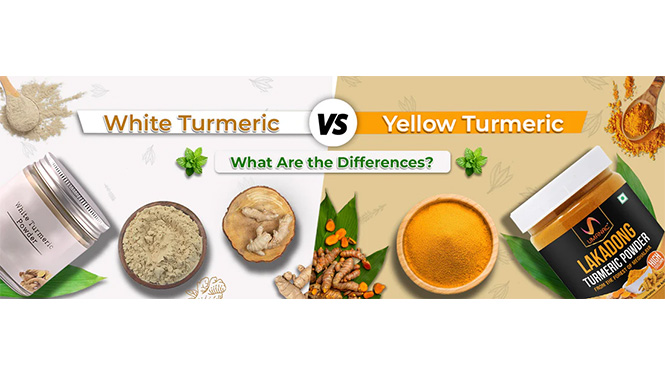
What’s the difference in appearance?
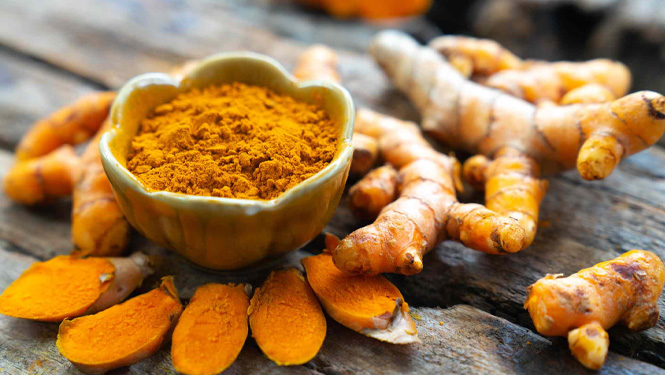
Yellow turmericis famous for its bright, sunny hue that can liven up any dish or cosmetic product. It gets its color from Curcumin, a powerful compound we’ll talk more about later. On the other hand, white turmeric, also known as zedoary, has a pale, almost ivory - like color. So, if you’re looking to add a pop of color to your cheese or yogurt (like Turmeric Yellow is used in the food industry), white turmeric won’t be the way to go. But does its lack of color mean it lacks in other areas?
- How do they stack up nutritionally?
Yellow turmeric is rich in curcumin, which has been linked to numerous health benefits such as reducing inflammation, boosting immunity, and even potentially helping with conditions like cancer and Alzheimer’s in ongoing pharmaceutical research. White turmeric, while it doesn’t contain curcumin, has its own set of active compounds like sesquiterpenes. These have shown antibacterial and antifungal properties. However, when it comes to the well - studied anti - inflammatory and potential disease - fighting properties, yellow turmeric seems to have the upper hand. So, if you’re popping supplements for general health, would white turmeric be as effective?
What about their uses in the food industry?
As we know, Turmeric Yellow is a star in the food world. It flavors curry powders and gives that beautiful color to chips and dairy products. White turmeric, though, has a different taste profile. It has a more pungent, earthy flavor compared to the slightly sweet and warm taste of yellow turmeric. This makes it less suitable for the same food applications as yellow turmeric. For example, you wouldn’t want to substitute white turmeric in your favorite turmeric - spiced latte recipe. But can it create its own niche in certain cuisines?
- Are they equally good for skin and beauty?
Are they equally good for skin and beauty?
In cosmetics, Turmeric Yellow is used in lipsticks, eyeshadows, and foundations for its natural coloring. In skincare, its anti - inflammatory and antibacterial features help with acne and improving skin texture. White turmeric, with its antibacterial properties, can also be beneficial for the skin, especially in products aimed at combating skin infections. But when it comes to the overall range of skin - enhancing benefits, yellow turmeric seems to offer more. So, if you’re choosing a skincare product with turmeric, should you go for the one with white or yellow?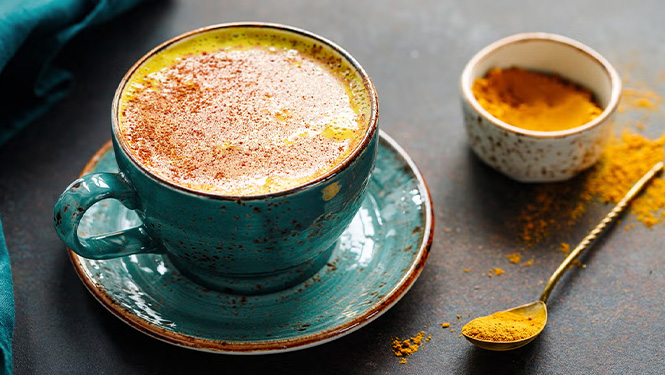
Conclusion
After looking at all these aspects, while white turmeric has its own unique properties, Turmeric Yellow Powder really stands out. Its wide range of uses in the food, supplement, cosmetic, and even pharmaceutical research industries, thanks to its powerful curcumin content, make it a top choice. If you’re looking to add a bit of natural goodness to your diet, try our Turmeric Yellow Powder in your next recipe. For beauty enthusiasts, consider using products with our high - quality Turmeric Yellow Powder for that added glow. It’s clear that in the showdown between white and yellow turmeric, yellow takes the crown!