Leave Your Message
*Name Cannot be empty!
* Enter product details such as size, color,materials etc. and other specific requirements to receive an accurate quote. Cannot be empty
0%

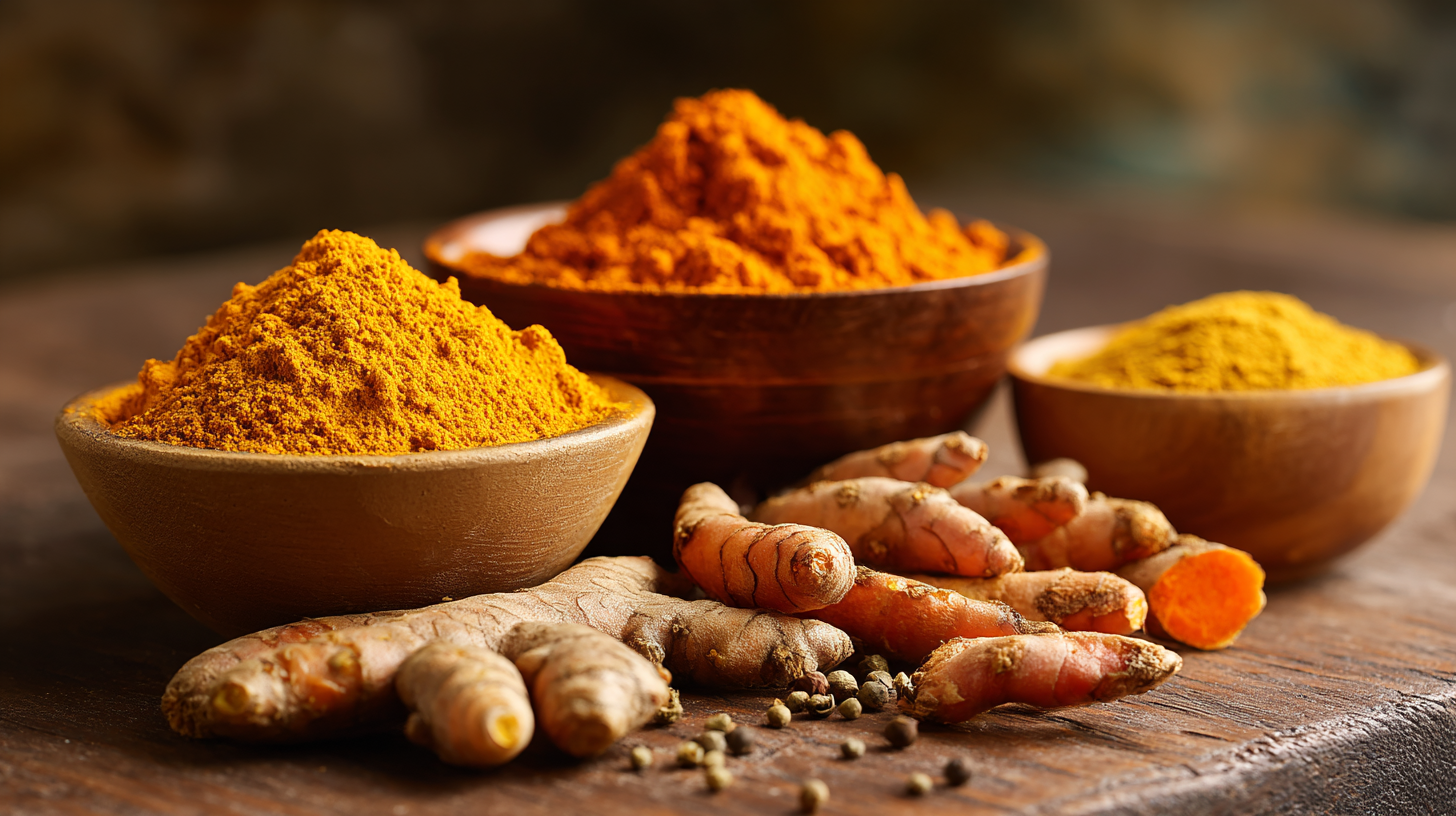
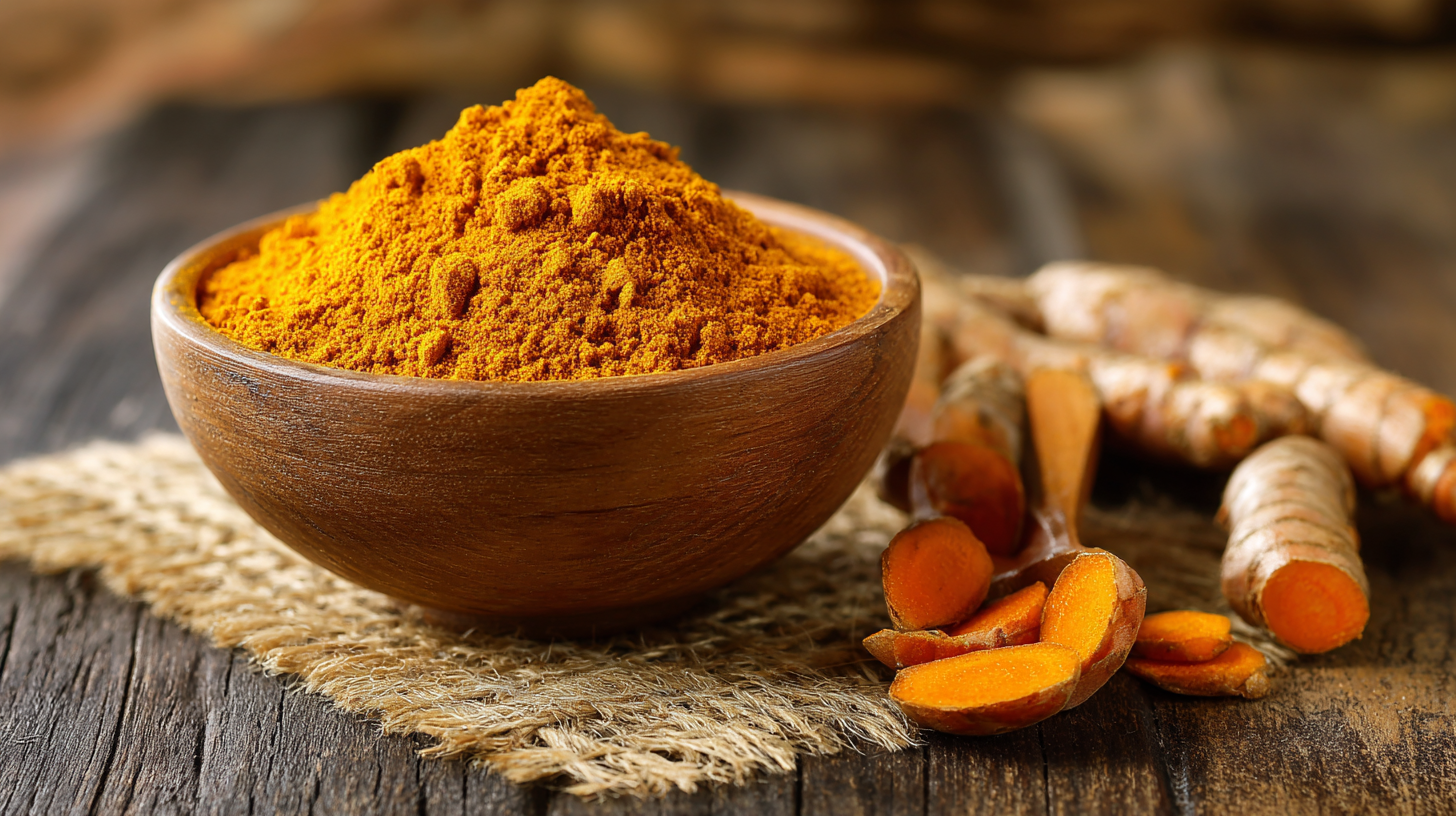
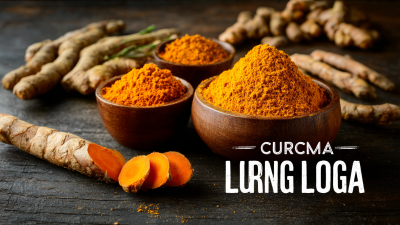
Lately, there's been a real spike in demand worldwide for Curcuma Longa Extract, better known as Turmeric Extract. It’s being used more and more in health, food, and cosmetics products—people are really into its benefits. According to a report from Fortune Business Insights, the turmeric market is expected to hit around USD 1.63 billion by 2027, growing at about 5.5% annually. That’s pretty impressive growth, and it highlights just how important it is to have high-quality Curcuma Longa Extract. Good quality means better effectiveness and safety across all kinds of products.
Comprehensive Guide to Curcuma Longa Extract: Unlocking the Power of Turmeric in Modern Industry

Here at Xi'an Kintai Biotech Inc, we fully understand how crucial strict quality control is at every step of making our extract. We source our raw materials from carefully monitored farms to ensure top-notch quality and safety. As we explore all the different ways Curcuma Longa Extract can be used and the benefits it offers, I hope this guide helps shed some light on its huge potential in today's industry.

Understanding Curcuma Longa: The Science Behind Turmeric Extract

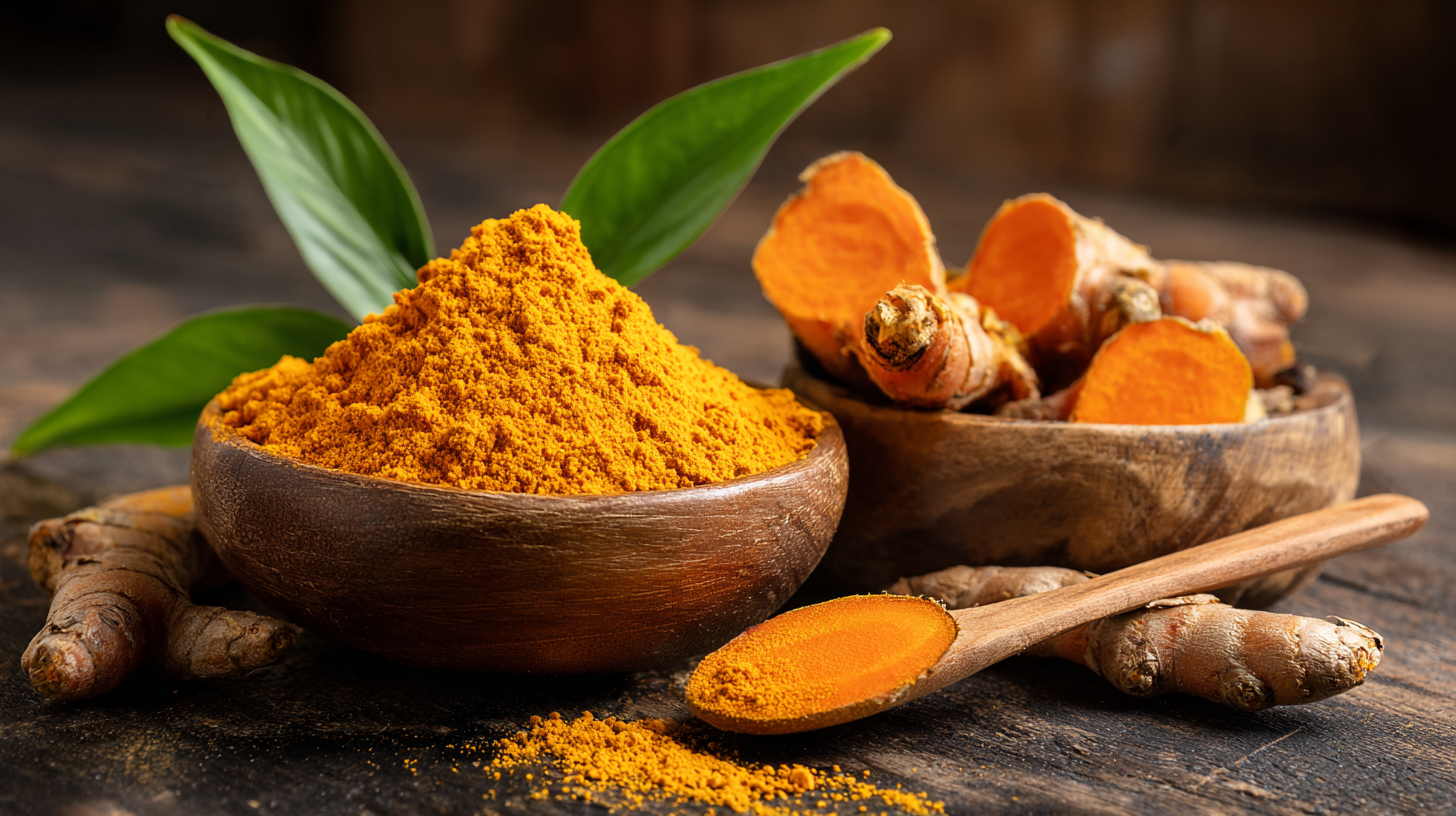
So, you know turmeric? That bright yellow spice some folks just love to sprinkle on everything? Well, it’s actually been celebrated for ages—not just for its vibrant color but also for all the health perks it’s got going on. At the heart of it all is this active compound called Curcumin. Science shows that curcumin’s pretty powerful—has strong anti-inflammatory, antioxidant, and even anti-cancer properties. That’s why you’ll see turmeric popping up in all sorts of supplements and medicines lately. Digging into how curcumin works inside your body really helps us get why it might help prevent diseases and boost overall health.

And here’s the cool part: recent techniques for extracting curcumin have made it way more bioavailable, which is just a fancy way of saying your body can actually absorb and use it better. Methods like nanoemulsions and solid lipid nanoparticles are leading the charge, opening up new possibilities in health and wellness products. Oh, and researchers are also looking into how curcumin works together with other herbs and medications—that could mean even more exciting uses for turmeric in integrative medicine down the line. All in all, understanding more about Curcuma longa really helps us appreciate its potential—plus, it’s a great reminder of how traditional wisdom still plays a big role in modern science.

Comprehensive Guide to Curcuma Longa Extract: Unlocking the Power of Turmeric in Modern Industry

Component Description Health Benefits Applications
Curcumin Active compound in turmeric responsible for its yellow color and many health benefits. Anti-inflammatory, antioxidant, and potential anti-cancer properties. Health supplements, cosmetics, and functional foods.
Turmerone A volatile oil compound found in turmeric, contributing to its aroma. May have neuroprotective and anti-inflammatory effects. Aromatherapy, essential oils, and fragrances.
Demethoxycurcumin A derivative of curcumin with slightly different properties. Antioxidant and anti-inflammatory activity. Cosmetic formulations and dietary supplements.
Bisdemethoxycurcumin Another curcumin derivative found in turmeric. Potential anti-cancer properties and cell-protective effects. Pharmaceuticals and research applications.

The Historical Significance of Turmeric in Traditional Medicine

You know, turmeric—also known as Curcuma longa—is a real star in traditional medicine, especially in many Asian cultures. I mean, that bright yellow spice has been used for ages, mainly because of its strong anti-inflammatory and antioxidant powers. Ancient Ayurvedic texts often mention turmeric’s role in treating all sorts of issues, from digestive troubles to skin problems. And it's interesting—its main active ingredient, curcumin, has been the focus of tons of studies that confirm just how important it is in natural healing and keeping us healthy overall.

But it’s not just about fixing physical stuff. Turmeric has always been part of a more holistic approach—people would often mix it with other herbs to boost its healing effects. For centuries, folks have been applying turmeric paste to cuts and scrapes, thinking it helps them heal faster and wards off infections. Plus, adding it to your meals doesn’t just make your food taste better; it’s also about supporting long-term health. Different indigenous cultures have a deep respect for its medicinal qualities. And as science catches up and backs up these traditional uses, turmeric’s place in natural health practices around the globe is only solidifying.

Modern Applications of Turmeric Extract in Food and Beverage Industry

Have you heard about turmeric extract? It comes from the Curcuma Longa plant, and honestly, it's really shaking up the food and beverage scene right now. In 2024, the global market for organic curcumin is expected to hit around $115.55 million, and experts say it could grow to about $167.28 million by 2033. That’s a solid growth rate of just over 4% each year! It kinda shows how more and more people are craving natural ingredients that not only taste good but also help boost their health.

Comprehensive Guide to Curcuma Longa Extract: Unlocking the Power of Turmeric in Modern Industry

What’s cool is that turmeric isn’t just sticking to the usual recipes anymore. You’ll find it popping up in all sorts of drinks, snacks, and fortified foods. Think turmeric lattes or trendy energy drinks made for folks who care about their wellness. Plus, its natural anti-inflammatory and antioxidant powers make it a go-to for companies wanting to meet the demand for healthier options. As the industry evolves, tech like CO2 extraction and steam distillation is making the spice more potent and versatile, opening up even more ways to enjoy turmeric in different food and drink ideas.

Turmeric Extract in Cosmetics: Benefits and Innovations

You know, turmeric extract, which comes from the Curcuma longa plant, has really been making waves in the beauty world lately. Everyone’s talking about it because of all the cool benefits it offers and how versatile it is in skincare products. It’s packed with curcumin, which gives it powerful antioxidant, anti-inflammatory, and antimicrobial effects—no wonder it’s become such a popular ingredient! I read somewhere that, back in 2021, the global market for turmeric extract was worth over $70 million, and it’s expected to grow at about 5.5% each year from 2022 to 2030. That really shows how more people are looking for natural and effective ingredients in their beauty routines these days.

Thanks to innovations in how turmeric is used in cosmetics, products are actually working better. For example, the anti-aging creams and serums often take advantage of curcumin’s ability to fight oxidative stress, which helps boost skin elasticity and smooth out fine lines. Plus, some studies suggest turmeric extract can help with skin issues like acne or eczema, providing a calming effect. As more brands jump on the clean beauty bandwagon, they’re really highlighting turmeric’s natural and sustainable roots in their formulations. With ongoing research, I honestly think turmeric’s future in skincare looks bright—people love transparency and ingredients that truly work, and this seems to hit the mark.

Comprehensive Guide to Curcuma Longa Extract: Unlocking the Power of Turmeric in Modern Industry

Exploring the Health Benefits of Curcuma Longa for Wellness

Have you heard about Curcuma Longa, more commonly called turmeric? It's really been making waves in the wellness world lately, thanks to all the health perks it offers. Because it’s packed with curcumin—the compound that gives turmeric its bright yellow hue—this extract is known for its powerful anti-inflammatory and antioxidant effects. Incorporating it into your routine can actually help with joint comfort, improve digestion, and even give your brain a little boost. Honestly, it’s such a great addition if you’re into staying healthy.

Here’s a little tip: try tossing some turmeric into your daily foods—think smoothies, soups, or even a warm cup of turmeric tea. That tea? It’s not just comforting; it can help give your immune system a nudge and tame inflammation too.

And there’s more—new studies suggest that Curcuma Longa might also support heart health and help lower the risk of long-term illnesses. Some early evidence hints that curcumin might improve how our heart functions and balance out cholesterol levels overall.

Oh, and if you’re serious about getting the most out of the curcumin, mix turmeric with a bit of black pepper. The piperine in black pepper helps your body absorb curcumin much better, making sure you get all those amazing health benefits without missing out.

Sustainability and Ethics in Turmeric Production and Supply Chain

These days, sustainability and ethical practices are really becoming a big deal when it comes to growing Curcuma longa — you probably know it as turmeric, right? As more and more industries—think food, cosmetics, and health supplements—jump on the turmeric bandwagon, it's super important for everyone involved to focus on eco-friendly farming methods. A lot of farmers use organic techniques that skip harmful pesticides and fertilizers, which is great because it helps protect the soil and local wildlife, and it also results in a better, healthier product. By making use of renewable resources and rotating crops, farmers can also reduce their environmental impact and do their part to keep things sustainable.

But it’s not just about the farming itself—ethical considerations stretch all along the supply chain. Ensuring fair trade practices is key to supporting local farmers, many of whom struggle with fluctuating prices and sometimes even unfair working conditions. When companies are transparent and pay fair wages, they’re really helping farmers thrive and supporting their communities at the same time. Plus, certification programs are super helpful here—they guide consumers toward buying turmeric that’s produced in a responsible way, encouraging more thoughtful choices and a market that cares about ethics just as much as quality. Overall, embracing sustainability and ethics in turmeric production isn’t just good for the environment and local economies — it also makes the whole industry more trustworthy and genuine in the end.

Exploring the Benefits of Natural Myrrh Extract and Alpha Bisabolol: Insights from the 2023 Global Essential Oils Market Report

The recent 2023 Global Essential Oils Market Report highlights the growing demand for natural ingredients in cosmetics, prominently featuring Natural Myrrh Extract and Alpha Bisabolol. Alpha Bisabolol, with its CAS No. 23089-26-1, is becoming increasingly popular due to its myriad benefits within the cosmetic industry. This viscous, colorless to pale yellow oil is derived from calendula and is known for its soothing, anti-inflammatory, and antimicrobial properties, making it a preferred choice for sensitive skin formulations.

With specifications boasting a purity of 98%, Alpha Bisabolol stands out as a natural, non-GMO product produced in a 100,000-level clean production workshop. The product not only complies with top international certifications, such as GMP, ISO9001, and HACCP, but also enjoys an impressive production capacity of 2000 KG per month, ensuring consistent availability for manufacturers seeking quality raw materials. Its applications are vast, ranging from skincare to haircare products, focusing on enhancing skin hydration and promoting healing.

As the industry continues to trend towards more natural and efficacious ingredients, the attention on Alpha Bisabolol aligns perfectly with consumer demand for products that are both effective and responsibly sourced. Professionals looking to incorporate Alpha Bisabolol into their formulations can benefit from its exceptional stability, with a shelf life of up to 2 years, making it an ideal ingredient in a wide range of cosmetic and wellness applications.

FAQS

: What is Curcuma longa commonly known as?

: Curcuma longa is commonly known as turmeric.

What are the main health benefits associated with turmeric extract?

Turmeric extract is known for its potent anti-inflammatory, antioxidant, and anti-cancer properties, primarily due to its active compound, curcumin.

How has the bioavailability of curcumin improved in recent years?

Recent advancements in extraction methods, such as nanoemulsion and solid lipid nanoparticles, have enhanced the bioavailability of curcumin, allowing for better absorption and utilization by the body.

What historical significance does turmeric hold in traditional medicine?

Turmeric has been used in traditional medicine, especially in Asian cultures, for its anti-inflammatory and antioxidant properties, and has been noted in ancient Ayurvedic texts for treating various ailments.

How is turmeric traditionally used for healing?

Turmeric paste has been applied to cuts and wounds, believed to expedite healing and prevent infections, reflecting its use in holistic healing practices.

What are the sustainable practices involved in turmeric production?

Sustainable turmeric farming incorporates organic practices that avoid harmful pesticides and fertilizers, emphasizing renewable resources and crop rotation to protect the environment.

Why is ethical sourcing important in the turmeric supply chain?

Ethical sourcing ensures fair trade practices for local farmers, supporting their communities and protecting them from fluctuating prices and exploitative labor conditions.

How can consumers identify sustainably produced turmeric?

Certification programs can guide consumers towards sustainably produced turmeric, promoting conscious consumption and supporting ethical practices within the industry.

What role does traditional knowledge play in the modern use of turmeric?

Traditional knowledge reinforces the medicinal properties of turmeric, which modern science is increasingly validating, highlighting its importance in natural health practices globally.

What is the relationship between turmeric consumption and long-term health?

Incorporating turmeric into dietary practices not only adds flavor but also supports long-term health, reflecting its historical respect in various indigenous cultures.

Conclusion

You know, Curcuma Longa Extract, which comes from turmeric, has really been catching a lot of buzz lately. It's pretty amazing how many different ways people are using it today, especially because of its health perks. In this guide, we’re going to take a little trip back in time to see how turmeric’s been used in traditional medicine, but we’ll also look at how it’s making waves in the modern food and drink world. And hey, it’s not just that—turmeric extract is even popping up in cosmetics now, showing just how versatile it really is.

When talking about the wellness benefits of Curcuma Longa, it’s super important to also think about sustainability and doing things the right way. Here at Xi'an Kintai Biotech Inc, we’re really serious about quality. We keep a close eye on every step of the process—from planting to harvesting—to make sure our turmeric extracts are pure and safe. It’s all about promoting health without compromising responsibility—making sure we’re sourcing things responsibly and ethically, too.
Lucas

Lucas

Lucas is a dedicated marketing professional at Xi'an Jintai Biotechnology Co., Ltd., where he leverages his in-depth knowledge of the company's products to deliver exceptional value to clients. With a strong commitment to quality, Lucas emphasizes the company's complete quality control system,......
Previous Global Import Export Certification Insights for Epimedium Sagittatum Extract Behind the Numbers